
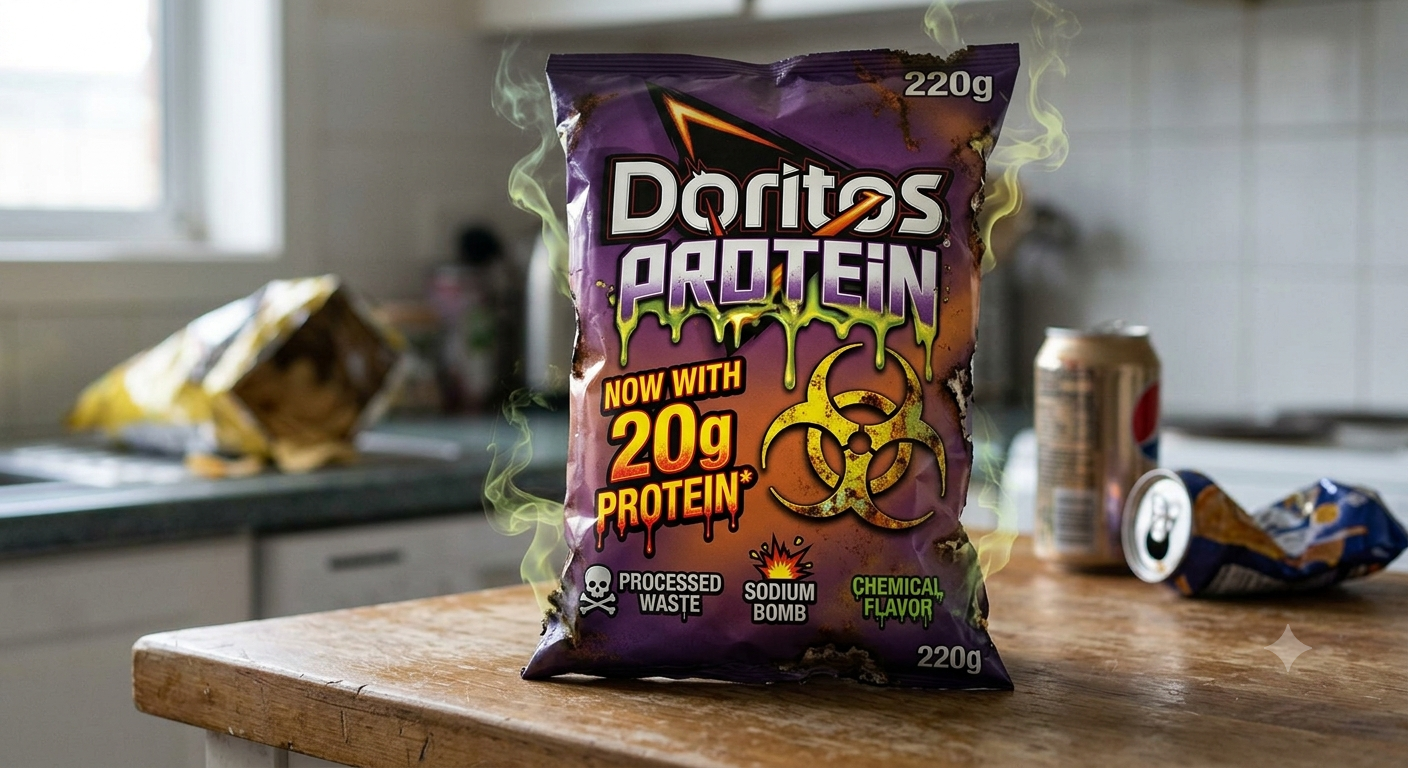
Walk down any grocery aisle and you'll see them: protein-fortified versions of everything. Protein cookies. Protein chips. Protein cereal. Protein pancake mix. The marketing is compelling — more protein must mean healthier, right? The reality is more complicated, and some of these products may be undermining the very goals that led you to them.
The Protein Halo Effect
Food marketers have discovered a powerful psychological lever: slap "high protein" on a package and consumers perceive the entire product as healthier. This is called the health halo effect. A protein cookie might contain 15–20 grams of protein, but it often also contains 300+ calories, 15 grams of added sugar, refined flours, seed oils, artificial sweeteners, and a long list of emulsifiers and preservatives. The protein doesn't cancel out the rest of the ingredient list.
Protein Quality: Not All Sources Are Equal
The protein in many processed products comes from isolated protein powders — whey isolate, soy isolate, or pea protein. While these are complete proteins, the isolation process strips away the natural cofactors found in whole food protein sources. A chicken breast doesn't just deliver protein — it comes with B vitamins, zinc, iron, and creatine. Greek yogurt brings calcium and probiotics. Lentils deliver fiber and folate. Processed protein products rarely offer these complementary nutrients.
The Sugar and Additive Problem
To make protein powders palatable in bars and snacks, manufacturers add sugar alcohols (like erythritol and maltitol), artificial sweeteners (sucralose, acesulfame potassium), and sugar itself — sometimes under names like "brown rice syrup" or "tapioca syrup" that sound more natural. Sugar alcohols can cause digestive distress in many people. Artificial sweeteners may alter gut microbiome composition and, paradoxically, increase sugar cravings in some individuals.
The Satiety Factor
Here's something most people don't consider: 150 calories of whole-food protein — say, a piece of grilled salmon or a bowl of Greek yogurt with berries — is far more satiating than 150 calories of a processed protein bar. Whole foods require more chewing, occupy more stomach volume, and trigger a stronger satiety hormone response. The protein bar might match the macros on paper, but your body processes it differently — often leaving you hungry again within an hour.
When Processed Protein Makes Sense
This isn't an absolutist argument. A high-quality protein bar with a short, recognizable ingredient list can be a practical option when you're traveling, between meetings, or otherwise unable to access whole food. The key is intentionality: use processed protein products as occasional convenience tools, not dietary staples. Look for bars with at least 15g of protein, under 5g of added sugar, and an ingredient list where you recognize every item.
Build Your Diet Around Whole Food Protein
The best protein sources haven't changed: eggs, chicken, fish, beef, Greek yogurt, and cottage cheese. Animal proteins deliver complete nutrition packages — protein alongside B vitamins, iron, zinc, creatine, and healthy fats. They're also typically less expensive per gram of protein than processed alternatives. Use CrossTrainer's nutrition tracker to log your whole-food protein intake and see how easily you can hit your targets without relying on processed shortcuts.